 Oval
Oval Round
Round Emerald
 Marquise
 Cushion
 Pear
Pear Heart
Heart Princess
 Radiant
 Asscher
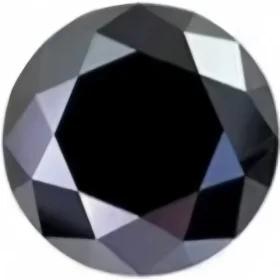 Black
Black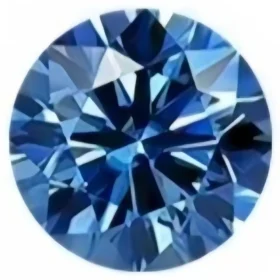 Blue
Blue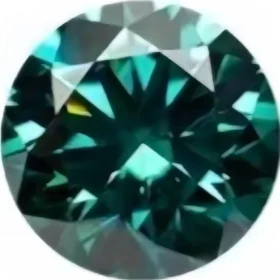 Green
Green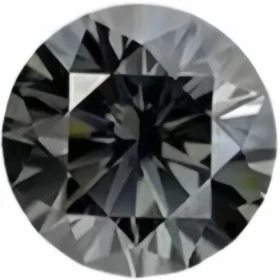 Grey
Grey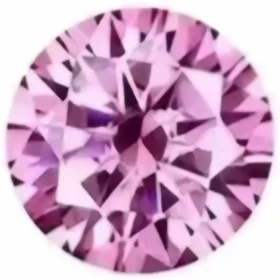 Pink
Pink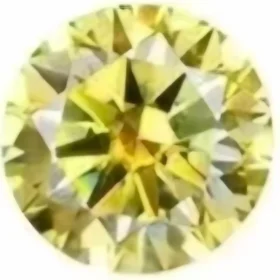 Yellow
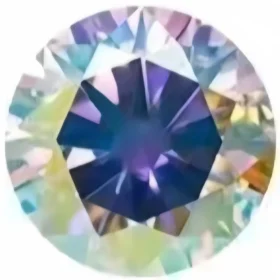 AB Color
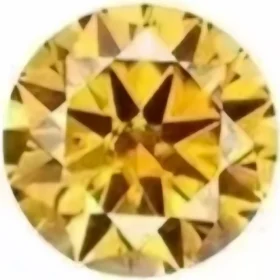 Champagne
 Purple
Moissanite Jewelry
Is Moissanite A Lab-Grown Diamond?

Apr
When you plan to buy a piece of gemstone jewelry, have you ever been confused by various gemstones and their similar appearances? You may wonder: what is moissanite, what is a lab-grown diamond, is moissanite a lab-grown diamond, and what are the differences between the two? How exactly should I choose? Although they are similar in many aspects, moissanite is not a lab-grown diamond, and of course, they are not the same!
With the rise of cost-effective jewelry in our daily lives, people are increasingly inclined towards lab-grown diamonds. Therefore, the popularity of lab-grown diamonds is becoming greater. Essentially, a lab-grown diamond is a special kind of diamond that is created in laboratories, not naturally. Unlike lab-grown diamonds, moissanite stones have distinctly different components and fire. This guide will explain the obvious differences between the two and introduce which one is suitable for you to choose from. So, before you make a choice, let’s make sure you have truly figured out the two and get what you really want.
Table of Contents
Is Moissanite the Same as a Lab-Grown Diamond?
No, moissanite is not the same as a lab-grown diamond. They are completely different gemstones with different components and hardness.
So, What is a Moissanite?
Moissanite, a lab-created mineral, is named after the French scientist and chemist Henry Moissan. In the late 19th century, Henry Moissan discovered a kind of diamond-like gemstone when he was examining rock samples in Meteor Crater. At that moment, he firmly insisted he had discovered real diamonds. After a long examination and study, in 1904, he found that the components of that diamond-like gem are silicon carbide, which is different from those of real diamonds. While just two years before Moissan’s discovery, another scientist had already synthesized silicon carbide in labs. In honor of Mossian, this gem, composed of carbon and silicon, was named after by his name.
Because natural moissanites are extremely rare, most of the moissanite stones now in the world are laboratory-produced.
What is a Lab-Grown Diamond?
Lab-grown diamond, as its name suggests, is a diamond produced in laboratories. Although they are called lab-grown diamonds, they are also composed of carbon and are real diamonds. In fact, there is no difference between the two in terms of components, hardness, fire, and appearance. The only difference between natural diamonds and lab-created diamonds is their origin. The lab-grown diamonds are produced by advanced technologies, such as high-pressure and high-temperature (HPHT), and chemical vapor deposition (CVD). The specific processes can cause less damage to nature and the environment.
Natural diamonds take approximately 1 to 3 billion years to form – yes, 1 billion years. Lab-grown diamonds, on the other hand, can be produced in just a few months! This also explains the huge price difference.
What are the Differences between Moissanite and Lab-Grown Diamonds?
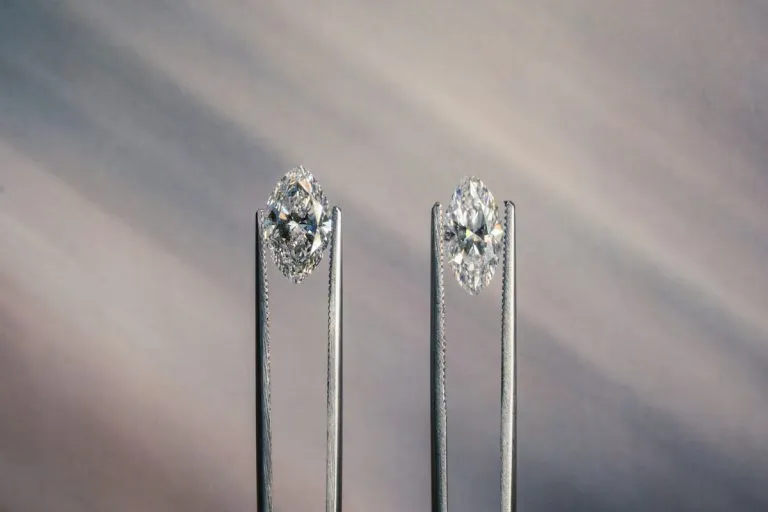
Moissanite stones and lab-created diamonds may look similar at first glance, but they have distinct differences in many aspects. The following introduction will tell their differences in composition, hardness, sparkle, color, and price. If you are hesitating about which one to choose, we hope the following information will be helpful to you!
| Moissanite | Lab-Grown Diamond | |
| Composition | Silicon & Carbon | Carbon |
| Hardness | 9.25 on the Mohs hardness scale | 10 on the Mohs hardness scale |
| Sparkle | Brilliant rainbow flashes – double refractive index | Sparkling white light – single refractive index |
| Color | Almost D-F color with a yellowish tint. | A wide range of colors. |
| Price | Budget-friendly and affordable alternative to diamonds. | More expensive than other gemstones. |
Composition
As mentioned above, moissanite is composed of carbide silicon, while the composition of lab-grown diamond is only carbon, which is the same as natural diamonds. So, if you still wonder is moissanite a lab-grown diamond, the answer is a definite NO! That’s it!
Hardness
As is well known, diamond is believed to be the hardest natural mineral in the world with a 10 Mohs hardness. On the other hand, the hardness of moissanite stones is 9.25 on the Mohs hardness scale. Although the hardness of moissanite is slightly lower than that of lab diamonds, the moissanite jewelry is durable and wear-resistant for most people.
Sparkle
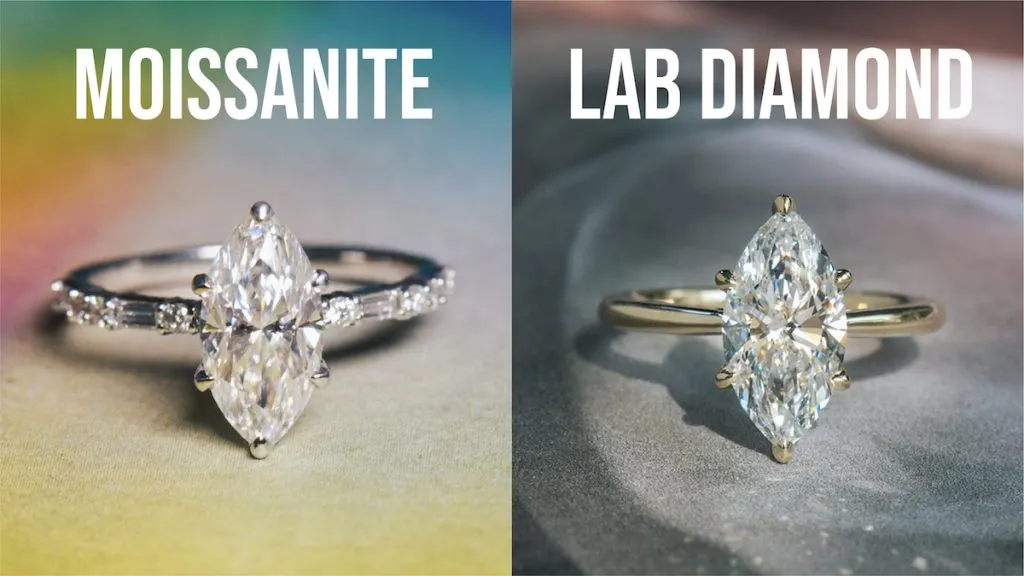
Another obvious difference between moissanite and lab-grown diamond is the sparkle. The so-called sparkle, in fact, refers to their brilliance and fire. Due to the higher refractive index than diamonds, the moissanite stones sparkle with beautiful rainbow flashes. That also indicated that moissanites are more brilliant than other gemstones. In comparison, a lab-created diamond has a clear white sparkle. Therefore, you can clearly distinguish them under natural outdoor light by their sparkle.
Color
For diamonds, diamond color grading is one of the most important ways to distinguish diamond quality. And lab-grown diamonds also adapt this color grading. Most lab-grown diamonds fall within the D-F grades, meaning colorless and nearly colorless.
Though moissanites can also be classified by the diamond color grading, inevitably, most moissanite stones exhibit a slight yellowish or greyish hue. Nowadays, thanks to technological innovation and advancement, many institutions are able to produce colorless and nearly colorless moissanite stones. This means you can get a piece of diamond-like gemstone jewelry at a significantly lower cost.
Price
The last difference we’ll discuss is their price. Due to a higher hardness and a more complicated technology of lab-created diamonds, in general, lab-created diamonds are more expensive than moissanite stones. However, from another perspective, moissanite is a compromise. It not only looks like a real diamond, but in terms of durability and price, it is also a cost-effective choice for most people.
Make Your Decision: Which One to Choose?
Now, let’s make a final decision: moissanite and lab-grown diamonds, which one should you choose? Generally, your choice may depend on the following factors:
- Budget and cost for buying a piece of gemstone jewelry?
- Prefer SiC Moissanite, or the pure carbon of lab-grown diamonds?
- Preferring colorful rainbow flashes of moissanite or the clear white sparkle of lab diamonds?
- On what occasions is it often used?
If your budget is limited and you plan to enjoy extreme brilliance at a reasonable cost, moissanite will be your ideal choice!
From another perspective, moissanite gems are suitable for those people who pursue colorful sparkle and don’t care about the composition of gemstones.
Another factor to consider is the occasion. Compared with expensive lab-created diamonds, moissanite jewelry is perfectly suitable for daily wear.
However, nowadays, many couples prefer moissanite jewelry for engagement or weddings. Apart from its durability, moissanite jewelry also comes in various styles and designs, allowing it to exude a unique charm on formal occasions.

Another one – lab-grown diamonds. If you pay attention to the pure carbon composition of gemstones, a lab-grown diamond is more suitable than moissanite.
On the other hand, if the traditional status of diamonds really matters to you, and you want to enjoy the natural white sparkle of diamonds, lab-grown diamond jewelry is your first choice.
One of the most attractive aspects of diamonds is their appreciation potential. You can also enjoy the appreciation potential of lab diamonds at lower prices than natural diamonds.
In summary, both moissanite and lab-grown diamonds are ethical gemstones, which cause less environmental damage and avoid ethical conflicts.
Final Verdict: Is Moissanite a Lab-Grown Diamond?
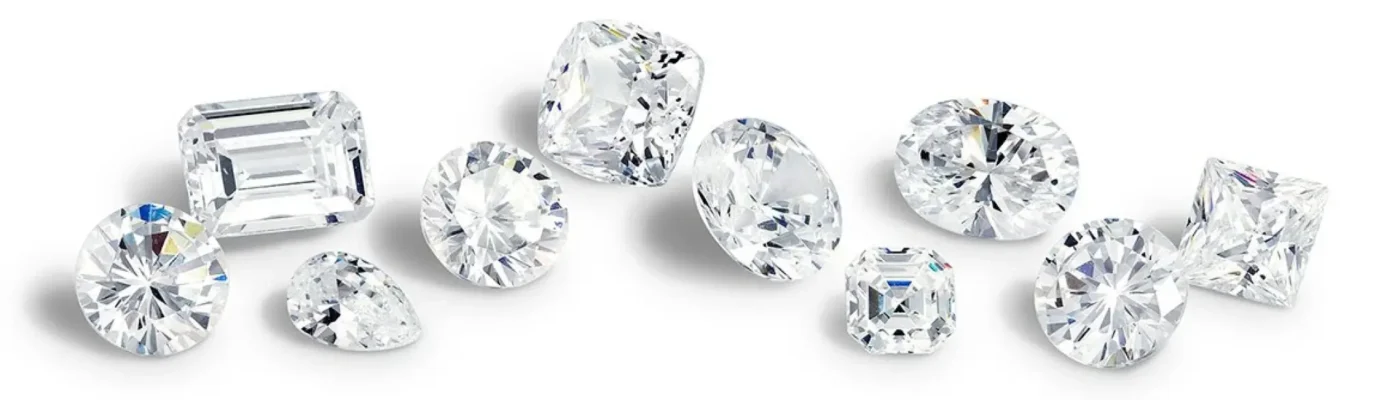
No, moissanite is not the same as a lab-grown diamond. Moissanite is not a diamond, while a lab-grown diamond is a real diamond. Similar composition, completely different gemstones. It can be said that moissanite is an ideal alternative to diamond.
FAQs about Moissanite and Lab-Grown Diamonds
NO. Moissanite is not a fake diamond; it is just a different gem. Moissanite and diamond are both gemstones, but they are different types.
No, moissanite is not a real diamond. Moissanite is composed of carbon and silicon, and diamond is pure carbon. Although they look similar, their durability, chemical properties, and value are completely distinct.
No, lab-grown diamonds are not the same as moissanite. They have different compositions, different brilliance, and different value. So, moissanite and lab-grown diamond are two different types of gemstones.
Yes! Lab-grown diamonds are not fake or simulated diamonds. Possessing the exact same composition, the same physical and chemical properties, a lab-created diamond is a real diamond.
The main differences between the two are their source and value. Generally, a diamond is a natural billion-year gem mined in nature, while a lab-created diamond is man-made in labs.
Try to clean your moissanite jewelry? A mild dish soap, a soft cloth, a soft-bristle brush, and warm water are sufficient! Mix a little mild dish soap with warm water in a bowl, then let your moissanite jewelry soak for about 20 to 30 minutes. After soaking, use your soft-bristle brush to gently scrub away dirt or oil on the moissanite. Finally, you can pat it dry with a soft cloth.
In most cases, most moissanites can pass the diamond tester. Due to their high thermal conductivity, similar to that of diamonds, high-quality moissanite can pass the diamond tester. However, the slight variations in quality or size may influence the accuracy of test results.
Of course, lab-grown diamonds can certainly pass a diamond tester. In fact, lab-grown diamonds are identical to real diamonds. So they can pass a diamond tester, just like natural diamonds.
The answer is certainly a NO! Unlike other stones, such as cubic zirconia or rhinestone, moissanite does not absorb moisture or oil, its internal structure cannot be damaged, and it will permanently retain their optical properties.
If you find your moissanite gets cloudy, it’s likely because the moissanite comes into contact with cosmetics, oil, or dirt during daily wear.
The answer depends on your choice. There is no superiority or inferiority between the two. If you prefer colorful brilliance and a reasonable price, moissanite will be your ideal choice for everyday wear. On the other hand, if you value traditional diamond status and brilliant white sparkle, you can choose a lab-grown diamond.
Yes, lab-grown diamonds possess the same sparkle and the same properties as natural diamonds. And you can get the excellent value of lab-grown diamond jewelry at an affordable cost. In recent years, both moissanite rings and lab-grown diamond rings have been ideal choices for couples on engagement or wedding.